
Many of us rely on vision for nearly everything, from recognizing a friendly face across the street to reading a good book. Our team at The Eye Studio by Kennedy Eye Clinic knows that glaucoma can impact your long-term vision, which is why we aim to help people in Saskatoon, Saskatchewan, protect their sight for years to come.
Glaucoma develops from damage to your optic nerve, which is often linked to increased eye pressure. This damage can develop slowly and disrupt the flow of information from your eye to your brain, which is why it’s important to try to catch it early.
A Simple Look at Glaucoma
Your optic nerve acts like a wire, sending all the images you see to your brain for processing. Glaucoma is a condition that damages this important nerve. When the nerve is damaged, it can create gaps in your vision.
The Pressure Inside Your Eye
This damage is often connected to the pressure inside your eyes (although you can have glaucoma even with low eye pressure). Your eyes create a fluid that needs to drain properly to maintain a steady pressure. If this drainage system gets blocked or slows down, fluid can build up (kind of like a sink that won’t drain) and the pressure inside your eye increases.
The Signs of Glaucoma
One of the challenges with glaucoma is that it often develops without any early warning signs. As it progresses, you might notice:
- Patchy blind spots in your side (peripheral) vision
- Tunnel vision in the more advanced stages
A different, less common form of glaucoma can appear suddenly with more obvious symptoms. These can include severe eye pain, blurred vision, or seeing halos around lights.
The Main Cause and Risk Factors
The root of glaucoma is damage to the optic nerve. While high eye pressure is the most common reason for this damage, certain factors can increase your chances of developing the condition.
People at Higher Risk
You may have a greater likelihood of developing glaucoma if you are over the age of 55 or have a family history of the condition. Other factors include having certain medical conditions like diabetes, a past eye injury, or being very nearsighted or farsighted.
The Importance of Senior Eye Exams
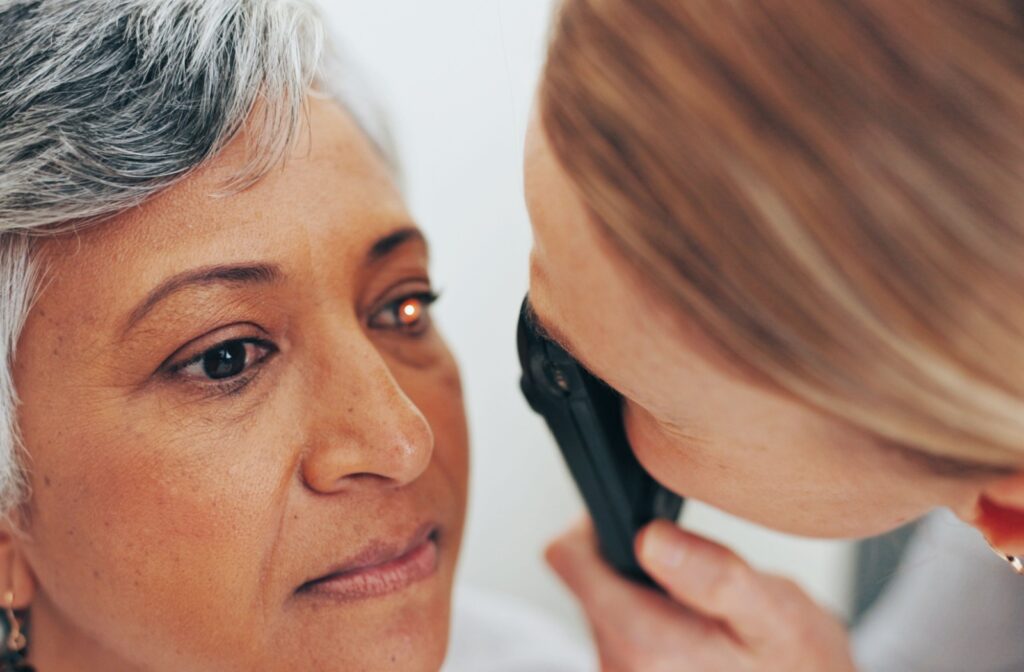
As you get older, your risk for several eye conditions increases, which is why regular eye exams are so valuable. A comprehensive exam allows an eye care professional to look for subtle changes you might not see or feel yourself, giving you the opportunity to address them early.

More Than Just Glaucoma
During a routine exam, an optometrist can also check for other common age-related eye conditions. Some of the most significant are age-related macular degeneration (AMD) and cataracts.
Other Eye Conditions
Macular degeneration affects your central vision, which you use for reading, driving, and recognizing faces. Cataracts cause the lens of your eye to become cloudy, making your vision seem foggy or dim, especially at night. Identifying these conditions early helps manage them effectively.
How You Can Protect Your Vision
Taking a proactive approach is a powerful way to care for your eyesight. Since glaucoma and other conditions can develop quietly, routine visits to your eye doctor are a helpful way to monitor your eye health. These appointments can help catch issues before they affect your vision.
Support Your Eye Health
You can also support your eye health by sharing your family’s medical history with your eye doctor and wearing protective eyewear during sports or home projects. If you are given prescription eye drops, using them as directed can help manage eye pressure.
Schedule Your Next Appointment
Your vision is precious, and taking care of it helps you to continue enjoying all the moments that matter. The team at The Eye Studio is here to serve you with thorough, thoughtful care. Schedule your eye exam with a member of our team today, so we can protect your vision together.