
Key Takeaways
- Children often assume everyone sees the way they do, so vision changes can go unnoticed at home.
- Clear sight supports reading, writing, and board work at school.
- A child’s eye exam looks at eye health and eye teamwork, not just a letter chart.
- Glasses, contact lenses, and myopia control options can be matched to growing eyes.
- Their first exam should be around 6 months, then again between 2 and 5 years, then yearly once in school.
Your child sits closer to the TV than they used to. They rub their eyes during homework or tilt their heads when they look at the whiteboard. Small habits like these are easy to shrug off during a busy week.
Children’s eye exams at The Eye Studio by Kennedy Eye Clinic help catch vision changes early, support learning at school, check overall eye health, open the door to care options built for growing eyes, and give you a clear plan between visits.
Early Detection of Vision Changes
Kids rarely complain about blurry vision because they have nothing to compare it to. If letters on the board have always looked fuzzy, that’s simply how the world looks to them.
Regular exams help your optometrist in Saskatoon spot small changes, often before they start affecting reading, sports, or how your child feels at the end of the day. Nearsightedness (myopia), for example, can be found early and tracked over time so you can see how your child’s vision shifts from year to year.
Signs Worth a Closer Look
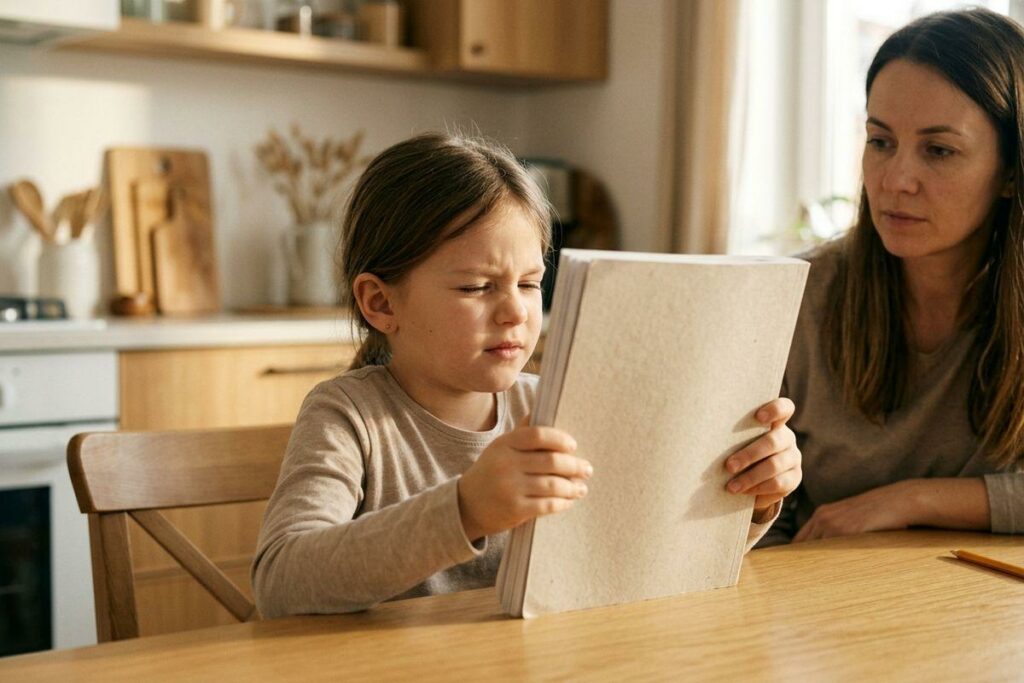
A few everyday habits are worth mentioning at your child’s next appointment, including:
- Squinting, eye rubbing, or frequent blinking
- Headaches or holding books very close to the face
- Head tilting or covering one eye
Support for Learning and School Success
Reading a paragraph, copying notes, and looking up at the board all lean on sight. When that’s harder than it should be, homework can take longer, and frustration can build.
Clear sight involves more than reading the 20/20 line. Eye tracking, focusing, and eye teaming all play a role in how comfortably your child works through a school day.
Booking an exam before the school year starts gives you time to sort out glasses or a care plan before the first assignment lands.
A Full Look at Eye Health
A letter chart shows how well your child sees at a distance. It doesn’t say much about anything else.
School and family vision checks can be helpful, but they don’t cover everything a full exam does. During a child’s eye exam, your optometrist reviews eye alignment, how the eyes work together, and the health of the eyes themselves.
What Happens During the Visit
Our team typically starts with questions about your family and health history, since some eye conditions run in families. Testing is then matched to your child’s age, which means a toddler’s visit looks different from a 10-year-old’s, and it can also change how long an eye exam takes.
Dilating drops may be used to give your eye doctor a clear view inside the eye. Your child’s eyes may feel light-sensitive afterward, so sunglasses are handy for the ride home.
Care Options That Fit Growing Eyes
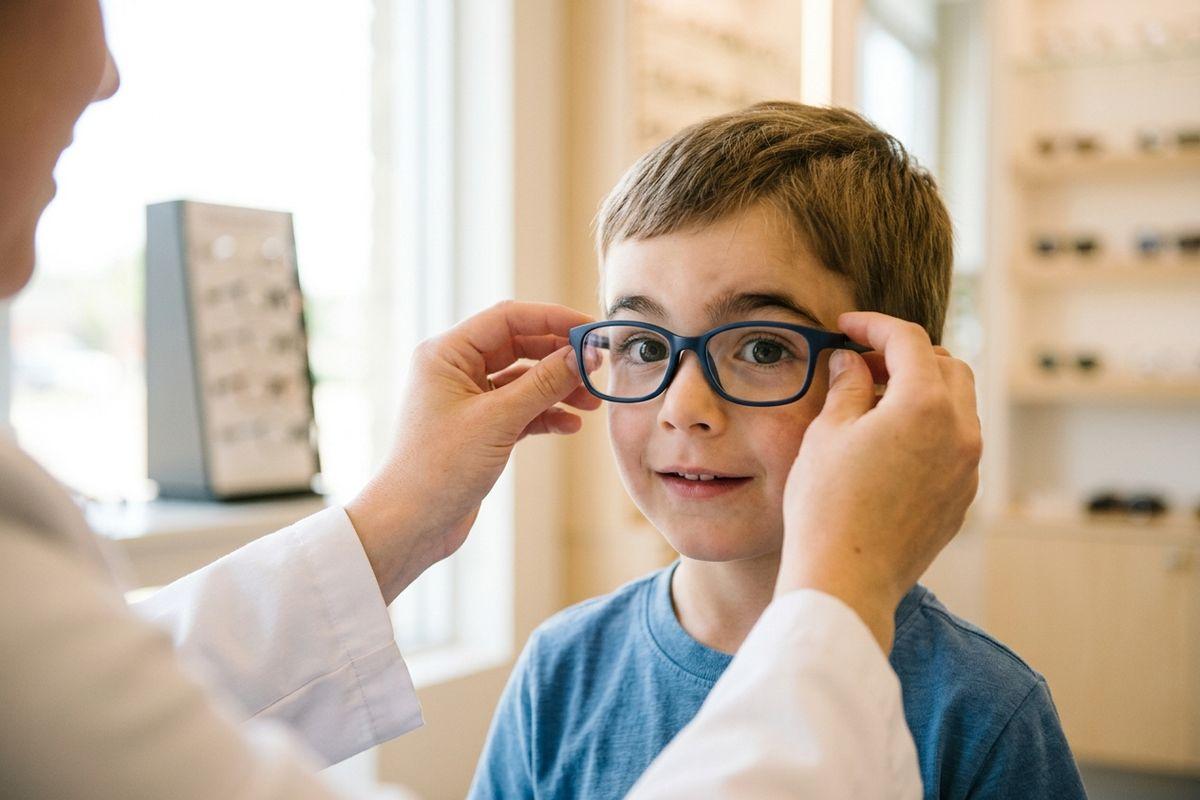
If your child’s vision is blurry, glasses or contact lenses can help bring things back into focus. Many kids are surprised at how much sharper the world looks once they try their first pair.
For nearsightedness (myopia), your optometrist may also discuss myopia control options. These are chosen based on your child’s age, prescription, and daily routine.
Plans are built around real life, including school schedules, hockey practice, and how much your child is willing to fuss with lens care in the morning.
Peace of Mind Between Appointments
Knowing when the next visit is due takes one more thing off your mental list. A steady schedule also allows your optometrist to compare results from year to year.
Eye Exam Schedule by Age
Staying consistent with routine eye exams is important. For your children, they should have their first exam around 6 months of age, another exam between 2 and 5 years of age, and then yearly exams once in school.
Simple Habits at Home
Screen breaks and good lighting can help your child’s eyes feel more comfortable during homework and gaming. Outdoor play on most days is another habit worth encouraging.
Sunglasses and a wide-brimmed hat help protect young eyes from UV light, whether your kids are at the lake in July or on the toboggan hill in January.
Book Your Child’s Next Eye Exam
Kids grow quickly, and their eyes change right along with them. Regular exams give you a clear picture of how your child sees and what can help.
Our team at The Eye Studio by Kennedy Eye Clinic is happy to answer your questions and make your visit easy for your family. Book your child’s eye exam today.