

Key Takeaways
- Astigmatism is a common refractive error, not an eye disease.
- Your prescription can shift over time, especially through childhood and the teen years.
- Age-related shape changes, eye injuries, surgery, and keratoconus can all make astigmatism worse.
- Hard eye rubbing, often linked to allergies, puts pressure on the cornea.
- Glasses, contact lenses, and laser options can help correct astigmatism.
- Regular eye exams help track changes in your prescription.
Street lights smear into starbursts on your drive home. Text on your phone looks slightly stretched, and by mid-afternoon your forehead aches from squinting at a screen. If you already know you have astigmatism, you might wonder whether it’s getting worse, or whether you’re imagining things. It’s a question our team at The Eye Studio by Kennedy Eye Clinic hears often.
Astigmatism can worsen because the shape of your cornea or lens changes over time, and those changes can come from natural aging, eye injuries or surgery, and conditions like keratoconus, which is associated with hard eye rubbing.
What Is Astigmatism?
Astigmatism is a refractive error, not an eye disease. Instead of a round shape, your cornea or the lens inside your eye is more oval-shaped. Light doesn’t land in one clean spot on the back of your eye, so things look blurry both up close and far away.
Plenty of people have some degree of it, often alongside nearsightedness or farsightedness.
It is a good idea to book an eye exam if you notice:
- Blurry or stretched-looking vision at any distance
- Tired eyes, headaches, and squinting
- Glare or halos around lights while driving at night
Why Astigmatism Can Change Over Time
Prescriptions rarely stay frozen. Astigmatism often shifts during childhood and the teen years while the eyes are still growing, which is one reason kids need eye exams more often than you might expect.
Changes can go either direction. Some people see their astigmatism increase; others see it decrease. Family history also plays a role, so if a parent has astigmatism, you may have it too.
Main Reasons Astigmatism Gets Worse
Age-Related Shape Changes
The curve of your cornea can shift gradually over the years. The lens inside your eye changes as well, and both can nudge your prescription in a new direction. It’s a slow process, which is why you may not notice until certain activities like night driving start to feel harder than they used to.
Eye Injuries and Surgery
A scratch, a chemical burn, or a blunt hit to the eye can leave the cornea healing unevenly, and that uneven surface can change how light enters your eye.
Eye surgery can also alter corneal shape. Cataract surgery and corneal procedures sometimes shift astigmatism, which is something your eye doctor can track at follow-up visits.
Keratoconus and Frequent Eye Rubbing
With keratoconus, the cornea thins and bulges into a cone shape, and astigmatism often climbs along with it.
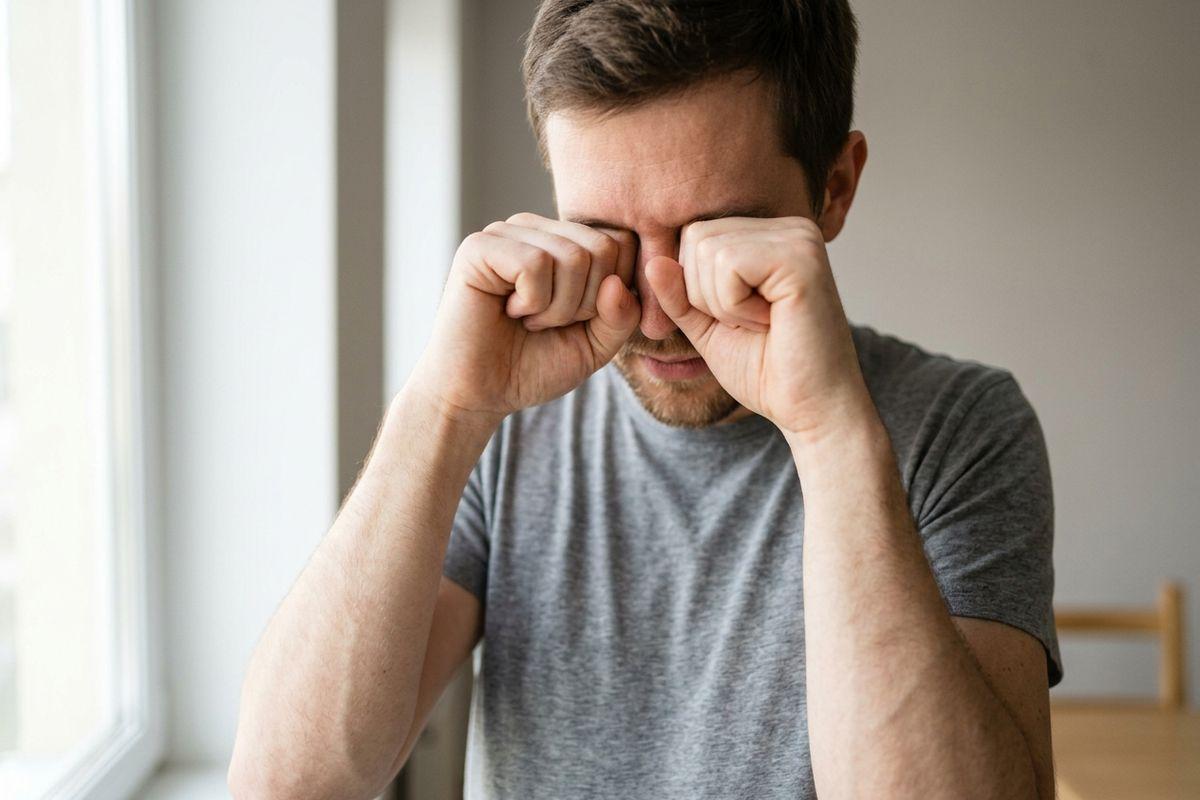
Hard rubbing puts pressure on the cornea, and allergies are a frequent reason people rub in the first place. If itchy, watery eyes have you grinding your knuckles into them every spring, managing those allergies helps protect the front surface of your eye.
What Happens If Astigmatism Goes Uncorrected?
Uncorrected astigmatism tends to show up as ongoing eye strain and headaches, especially after long stretches at a computer. Reading feels like more work than it should, and night driving gets uncomfortable when headlights spread into glare.
In children, there’s a risk of amblyopia, sometimes called lazy eye, when one or both eyes blur goes uncorrected during the years vision is developing. That’s a strong reason to book eye exams early rather than waiting for a child to complain.
Ways to Correct Astigmatism
Glasses and Contact Lens Options
Glasses handle mild to moderate astigmatism well and are the simplest place to start. For contact lens wearers, toric lenses are designed for astigmatism, while rigid gas permeable and scleral lenses can suit higher amounts or corneas with an irregular shape.
Laser and Surgical Options
LASIK and PRK reshape the cornea to correct astigmatism. An eye exam can determine whether you’re a candidate, since factors like your prescription and corneal shape all matter.
Keep Your Eyes Comfortable
Sunglasses with 100% UV protection and proper sports eyewear help guard your eyes against injury and sun exposure.
The 20-20-20 rule gives your eyes a break too. Every 20 minutes of near work, look at something 20 feet away for 20 seconds.
Routine visits with an optometrist in Saskatoon help our team catch prescription shifts early and adjust your correction before the strain builds.
Book Your Next Eye Exam
Changes in astigmatism are worth checking rather than guessing about. Our team at The Eye Studio by Kennedy Eye Clinic can measure what’s changed, talk through your options, and help you find correction that feels comfortable for how you actually spend your days. Book an appointment and see your world clearly.