
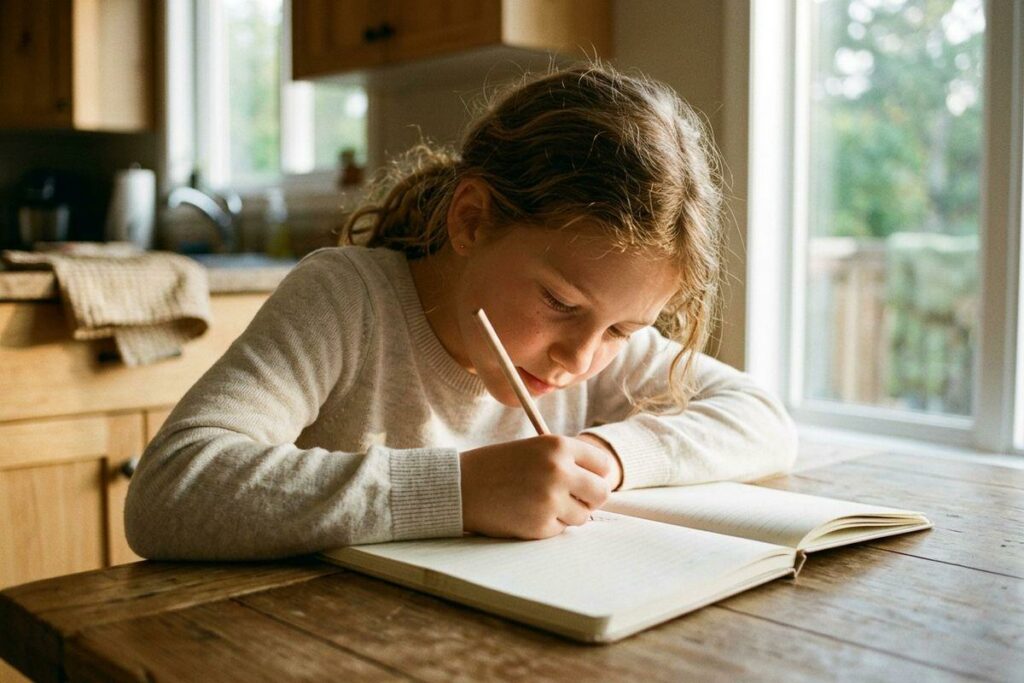
A school day asks a lot of your child’s eyes up close. Books at a desk, worksheets, a tablet during library time, then homework after supper.
Kids rarely mention when distance vision gets fuzzy. They adapt, and they assume everyone sees the world the way they do. Myopia usually starts in childhood and can keep progressing through the school years, so booking a yearly children’s eye exam gives your optometrist a way to track changes early and walk you through options that may slow it down.
What Myopia Means for Your Child
Myopia is nearsightedness, which means close-up things look sharp while anything at a distance looks blurry. A chapter book reads clearly. The whiteboard at the front of the room doesn’t.
It can start in childhood and keep changing as kids grow. That’s why a prescription written last September might not match what your child needs by June.
Why Myopia Progression Matters
Higher prescriptions have been linked with a greater chance of eye problems later in life, including changes to the retina that tend to appear in adulthood.
Eyes grow quickly during the school years, and that’s when a prescription can change the most. Start tracking it early and you keep more options open with your optometrist.
Signs of Myopia Parents Can Watch For
Children adapt to fuzzy distance vision without saying a word, so their habits usually tell you more than their answers do. Watch for a few of these:
- Squinting at the whiteboard, the TV, or road signs
- Holding books or a tablet very close to the face
- Rubbing their eyes often
- Complaining about tired or watery eyes
- Sitting closer to the screen than they used to
Some signs look nothing like a vision problem at first. A child who comes home with a headache most afternoons or loses their place while reading may be working harder than they should to see clearly. Trouble focusing at a desk sometimes gets read as an attention issue when vision is playing a part.
How Near Work and Screens Affect Growing Eyes
By the time a school day wraps up, most of it has been spent focusing on something about a foot from your child’s face.
Long stretches of close-up focus may strain young eyes and leave them aching by the evening. Kids also blink less at a screen than they do while reading on paper, and fewer blinks can leave eyes feeling dry and scratchy by bedtime.
How Outdoor Time Can Balance Near Work
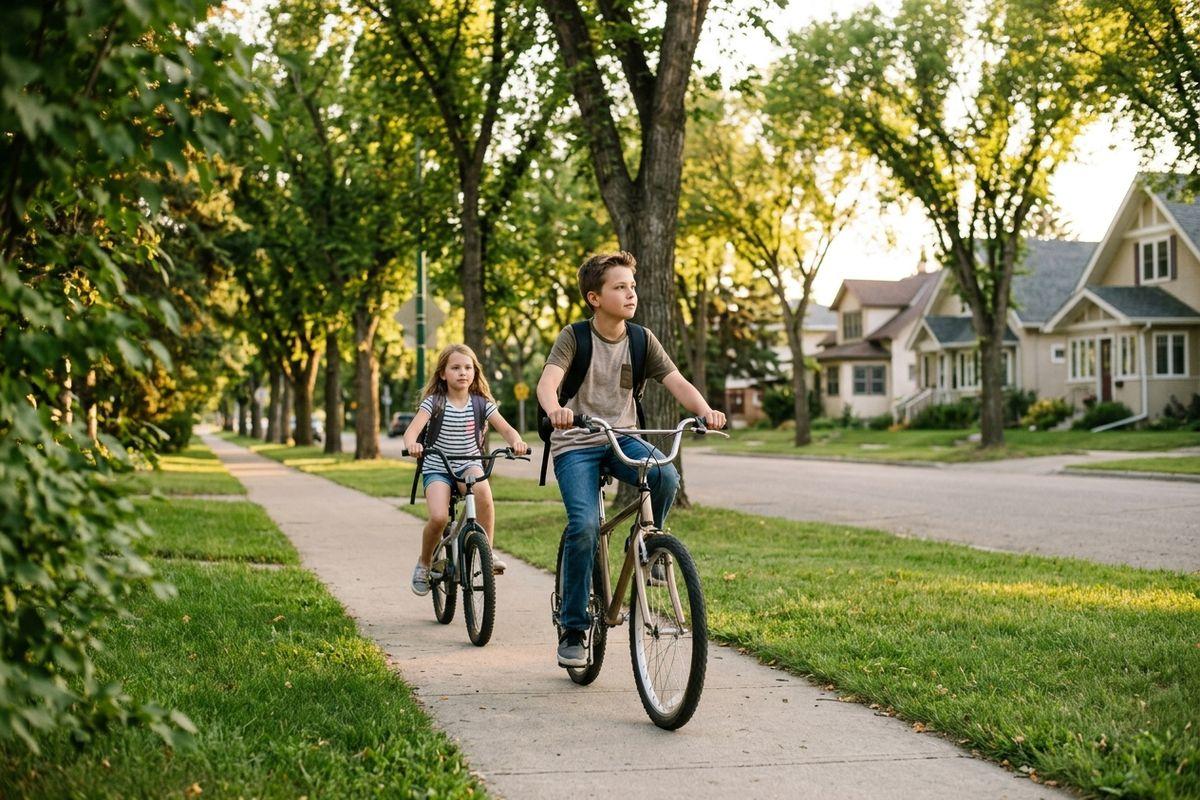
Time outside lets eyes relax and look into the distance under natural light, and researchers have tied it to slower myopia onset in kids. Aim for at least 90 minutes outdoors each day.
You don’t need to schedule it. A walk to school, recess, or an hour at the park after supper all count toward the total.
Myopia Control Options to Discuss With Your Optometrist
The goal of myopia control is to slow how quickly a prescription changes. It doesn’t undo the myopia that’s already there, and glasses alone don’t stop the eye from growing.
Which approach makes sense depends on your child’s age, daily routine, and the sports or hobbies they love. Here’s what your optometrist may bring up:
- Specialty lenses in glasses, often a good starting point for younger kids
- Daytime multifocal contact lenses
- Overnight contact lenses that gently reshape the cornea while your child sleeps
- Low-dose atropine eye drops used at bedtime
Questions to Bring to the Appointment
Come with the practical stuff. Ask how an option fits around school days, hockey practice, and swim lessons. Ask what daily care and cleaning look like, and how often your child needs to come back for follow-up visits so the team can track how things are going.
Habits That Support Your Child’s Eyes This School Year
Set up a homework spot with good light and no glare bouncing off the screen, and encourage sitting upright instead of curling over a tablet. Bumping up the text size helps too, since small type pulls a screen closer to the face.
During long study sessions, the 20-20-20 rule can give young eyes a rest. Every 20 minutes, look at something 20 feet away for 20 seconds.
Pair a screen break with a few minutes in the backyard. And if you can keep phones out of the bedroom overnight, you cut screen time from an already busy day.
Why a Back-to-School Eye Exam Helps
An eye exam sets a baseline, so future visits can show whether anything has changed. It also looks at focusing, how the eyes work together as a team, and overall eye health.
Book one even when your child hasn’t complained about a thing. School vision screenings check distance sight and little else, so they may miss plenty.
Start the School Year Knowing Where Their Vision Stands
Yearly visits keep us up to speed on how your child’s eyes are changing, which makes it easier to build a plan around your family’s routine instead of the other way around.
The team at The Eye Studio by Kennedy Eye Clinic would love to talk through what your child’s eyes need this year. Book a back-to-school eye exam and head into the school year with a clear picture of their vision.